The Decline of Social Emotional Skills, Part One
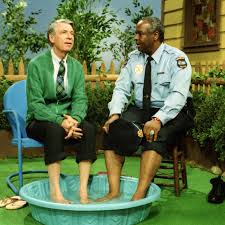
“Anything that’s human is mentionable, and anything that is mentionable can be more manageable. When we can talk about our feelings, they become less overwhelming, less upsetting, and less scary.” – Fred Rogers
Mr. Fred Rogers has been on the rise in Hollywood the past few years. Rogers spread positive learning experiences and talked about hard topics such as divorce, death, fears, all while keeping the child’s emotions and whole self in mind. After seeing mindless tv shows aimed for children, Rogers decided to use television as a positive tool to reach children and families to discuss social and emotional concepts. I often see on the news students’ in older grades struggle with mental health issues. At the time seeing the news, I thought *ignorantly* how grateful I am that I don’t have to handle those types of emotional responses in a primary classroom. But then a voice popped in my head and said, “Just because there is not these kinds of trauma in the classroom on any given basis does not mean that primary children are not dealing with big emotions too”. A child screams, throws blocks, chairs, maybe runs around punching the other children, maybe the child tried or did bite you. Or maybe, this child has a hard time maintaining friendships, perhaps whines or tattles often. I’m sure at this point a student or child may have popped in your head! Or maybe not and that’s ok! These responses are showing us that this child that lacks the skills needed in social emotional development and they need our support.
“There’s no ‘should’ or ‘should not’ when it comes to having feelings. They’re part of who we are and their origins are beyond our control.” Social emotional skills come from a specific area of child development; these social emotional skills envelop “The core features of emotional development include the ability to identify and understand one’s own feelings, to accurately read and comprehend emotional states in others, to manage strong emotions and their expression in a constructive manner, to regulate one’s own behavior, to develop empathy for others, and to establish and maintain relationships. (National Scientific Council on the Developing Child 2004, 2). An adult that does not have social emotional skills CANNOT model or teach a child those skills. Many times, as adults we find ourselves repeating the exact same behaviors, discipline, and punishments we experienced as children, whether positive or negative. I can’t tell you how many times I’ve said, “haha! my mother’s voice just came out!” When children develop their emotions in a positive way, research shows that these children constructively develop their emotions have a higher success in academia, AND develop healthier and stronger relationships in and out of the classroom. I had an opportunity to interview the owner and program coordinator at a local HighScope program. It is her belief that “when discussing ‘social emotional skills’ we should actually say “emotional-social”; because first you have to teach the emotions before you can help them [the children] navigate through the social side of things”. Are children able to do academics without social emotional skills? Yes, however, it will be more challenging long term.
I hope you enjoyed part one of The Decline of Social Emotional Skills, and look for part two coming soon…
 Take Away the Walls